
Jowls rarely show up overnight. One day you catch your profile in a photo and notice the jawline looks softer than it used to. The line from your chin to your ear has lost its edge.
It is a common concern, and a fair one to want fixed. The tricky part is that a lot of advice online promises easy answers that do not hold up.
At Chadwell Facial Plastic Surgery in Mishawaka and South Bend, Indiana, Dr. Jon Chadwell sees patients with jowls every week. Here is what actually causes them, what does not work, and which options make a real difference.
What Causes Jowls
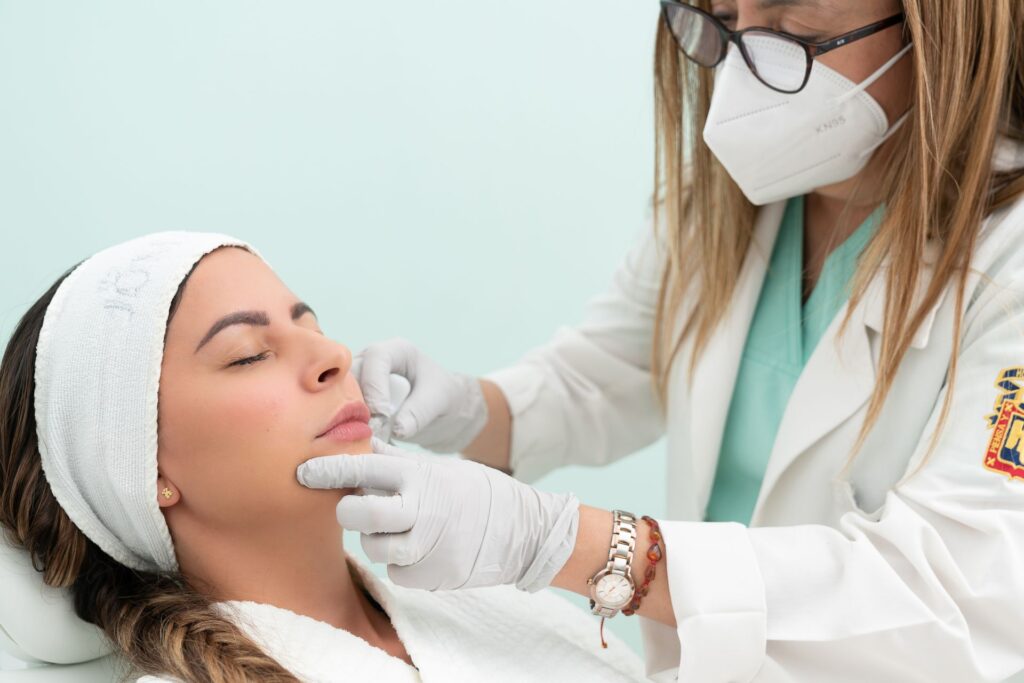
Jowls are not just loose skin. Several changes happen together, and knowing which ones apply to you decides what will help.
Volume Shifts in the Face
Fat pads in the cheeks move downward over time. The cheeks flatten while the lower face gets heavier. That shift is what creates the sagging line along the jaw.
Skin That Has Lost Its Bounce
Collagen and elastin decline with age. The skin no longer snaps back, so it cannot hold the tissue underneath in place.
Genetics and Lifestyle
Family history plays a big role. Sun exposure, smoking, and large weight changes speed things up. Some people notice jowls in their early 40s. Others do not see them until their 60s.
Do Face Exercises and Skincare Work on Jowls?
Short answer: not enough to change them.
Facial Exercises
Exercises can strengthen muscle. Jowls, though, come from descended fat and stretched skin, not weak muscle. Working the muscles does not lift either one.
Creams and Devices
Good skincare improves texture and tone. Retinoids and medical-grade products support collagen. But they cannot reposition tissue that has dropped. Home devices fall in the same category.
These habits are worth keeping for skin health. They just will not remove jowls on their own.
Non-Surgical Ways to Soften Jowls
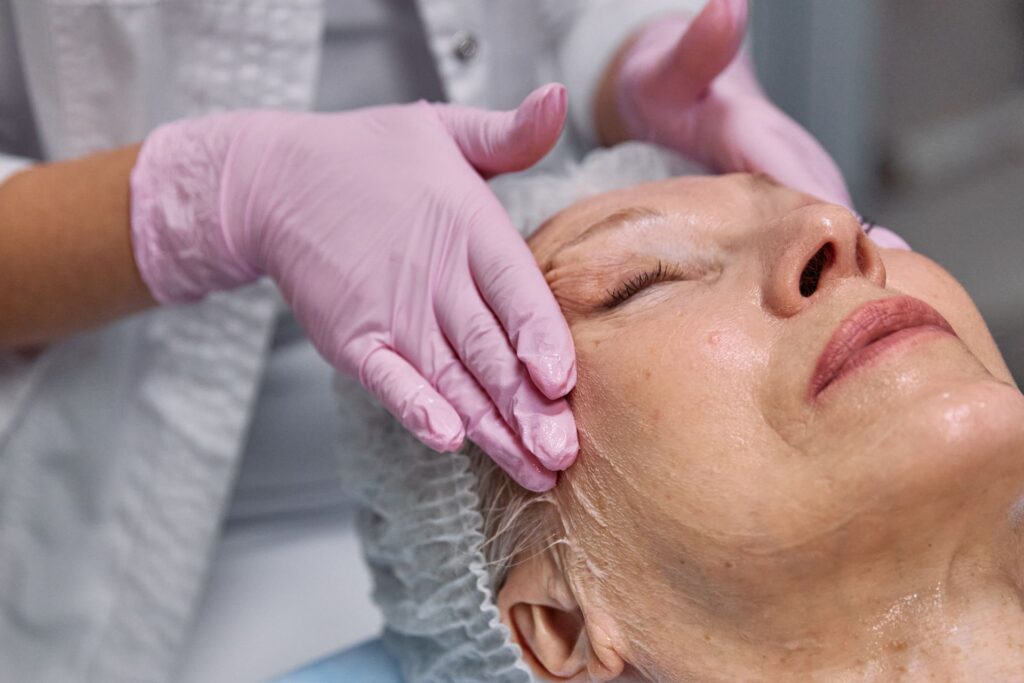
For early to moderate jowls, non-surgical options can make a visible difference with little or no downtime.
Dermal Fillers
Fillers like Restylane, Juvederm, and Radiesse restore volume in the cheeks and along the jawline. That added support can lift the look of early jowls and sharpen the jaw. Results are not permanent, so touch-ups are part of the plan.
Forma
Forma uses radiofrequency energy on the surface of the skin to stimulate collagen. It suits mild laxity and takes a series of sessions. Think of it as tightening, not lifting.
FaceTite
FaceTite delivers radiofrequency energy just beneath the skin. It tightens more strongly than surface devices and works well for patients with moderate laxity who are not ready for surgery.
Each option has a ceiling. Once jowls are deep, these tools improve them but cannot fully correct them.
Surgical Options for Lasting Correction
When tissue has descended, surgery is the only way to put it back where it belongs.
Mini Facelift
A mini facelift uses smaller incisions and focuses on the lower face. It fits early to moderate jowls, with a shorter recovery than a full facelift.
Facelift
A facelift lifts the deeper structural layer of the face and neck, not just the skin. It is the right call for pronounced jowls and more advanced sagging.
Neck Lift
Jowls and a loose neck often show up together. A neck lift can be paired with facelift techniques so the jawline and neckline look balanced.
How to Choose the Right Option
Three questions point you in the right direction.
How deep are the jowls? Mild ones respond to fillers or skin tightening. Deeper ones usually need surgery.
How much downtime can you manage? Non-surgical options fit around work. Surgery needs a planned recovery window.
How long do you want results to last? Non-surgical results fade and need upkeep. Surgical results hold for many years.
Timing matters too. Our post on whether there is a right age for a facelift explains why the state of your face matters more than your birthday.
Get a Clear Answer for Your Jawline

Dr. Jon Chadwell is board-certified by the American Board of Facial Plastic and Reconstructive Surgery and the American Board of Otolaryngology Head and Neck Surgery. He completed an accredited fellowship through the American Academy of Facial Plastic Surgery. His practice focuses only on the face and neck.
That focus means you get a recommendation based on your anatomy, not a package. Some patients need fillers. Some need a mini facelift. Some are not ready for either yet, and Dr. Chadwell will say so.
Patients from Mishawaka, South Bend, Elkhart, Granger, and across northern Indiana come in for that kind of straight answer. See what real results look like in the before and after gallery, then contact Chadwell Facial Plastic Surgery to book a consultation. Call (574) 280-4818 or use the online form, Monday through Friday, 8 AM to 5 PM.
Frequently Asked Questions
Can you get rid of jowls without surgery?
You can soften them. Fillers, Forma, and FaceTite improve early to moderate jowls. Deep jowls usually need surgery for a full correction.
What is the fastest way to get rid of jowls?
Fillers show results right away. A facelift or mini facelift gives the most complete correction, though it involves recovery time.
Are jowls genetic?
Often, yes. If your parents developed jowls early, you may too. Sun, smoking, and weight changes also play a part.
At what age do jowls start?
Most people notice them in their 40s or 50s. Genetics and lifestyle can move that earlier or later.
Will losing weight get rid of jowls?
Not reliably. Weight loss can sometimes make jowls look worse because the skin has less volume beneath it.