
Menopause shows up in more places than most women expect. Hot flashes and sleep changes get the attention. But many women also notice something in the mirror.
Skin feels thinner and drier. The jawline looks softer. Eyes seem tired even after a full night of rest.
If that sounds familiar, you are in good company. At Chadwell Facial Plastic Surgery in Mishawaka and South Bend, Indiana, Dr. Jon Chadwell hears this concern often. Here is what is happening and what your options look like.
What Menopause Does to Your Face
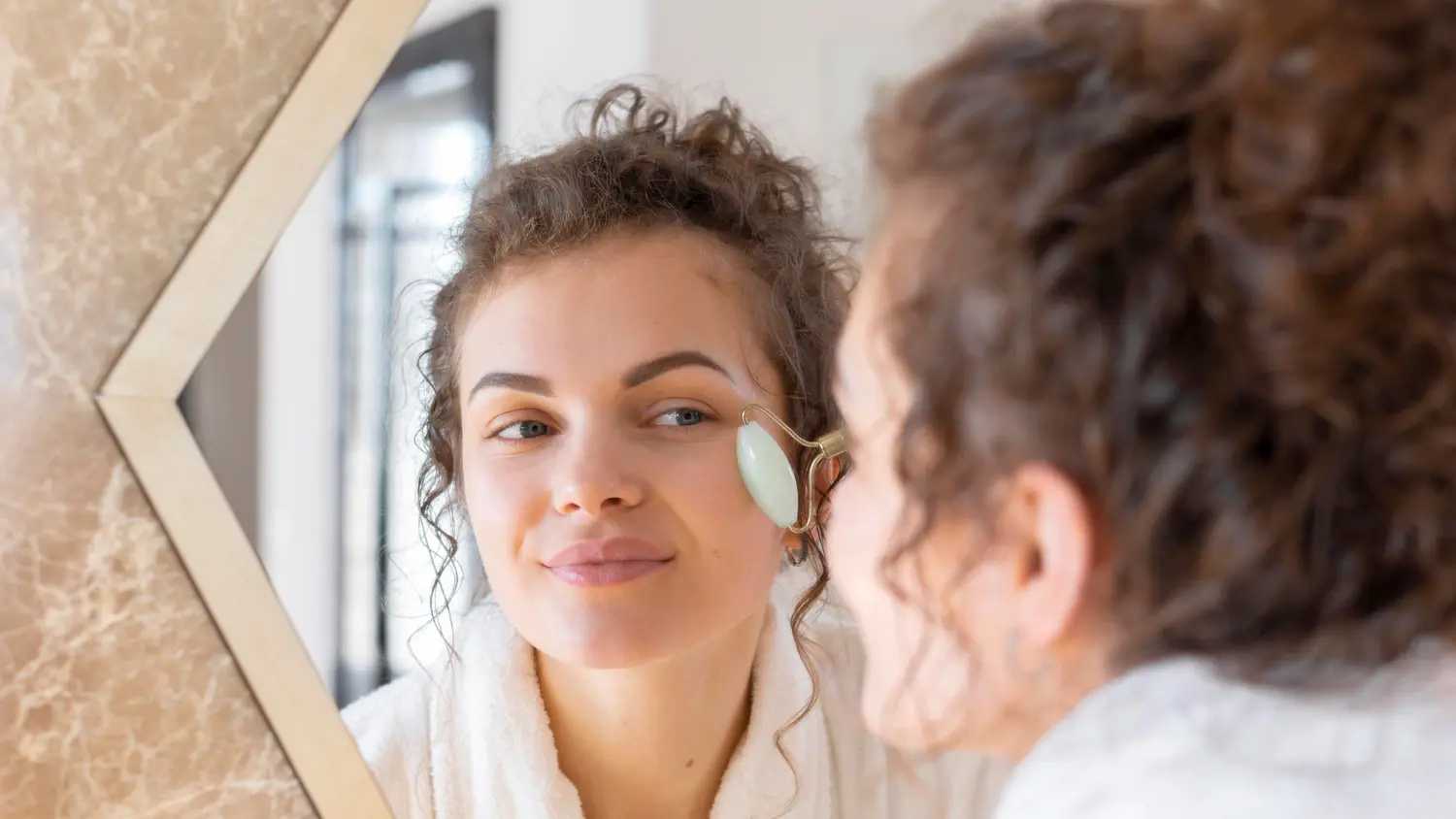
Menopause does not age the face in a single way. Several changes overlap, and they can start during perimenopause, sometimes in your 40s.
Skin Gets Thinner and Drier
Estrogen helps skin hold on to collagen and moisture. When estrogen drops, skin can become thinner, drier, and less firm. Fine lines deepen. Skin may look duller and feel less resilient.
Volume and Support Shift
The cheeks can flatten as facial fat shifts. Bone structure beneath the face also changes over time. Together, these changes alter how the soft tissue sits. The result is often softer jawlines, deeper folds around the mouth, and early jowling.
Eyes Look Tired Sooner
Eyelid skin is the thinnest on the face, so it shows change early. Upper lids may droop. Brows may lower. Lower lids can look puffy or hollow. Many women say they look tired even when they feel fine.
More Women Are Asking About It
You are not alone in noticing this. In its 2025 annual survey, the American Academy of Facial Plastic and Reconstructive Surgery reported that 45 percent of facial plastic surgeons now see more women naming menopause or perimenopause as a reason for seeking care. The year before, that number was 28 percent.
The same survey found rising interest in eyelid procedures aimed at looking less tired. Menopause is no longer a topic women avoid. They want straight answers, and they are asking for them.
Where to Start
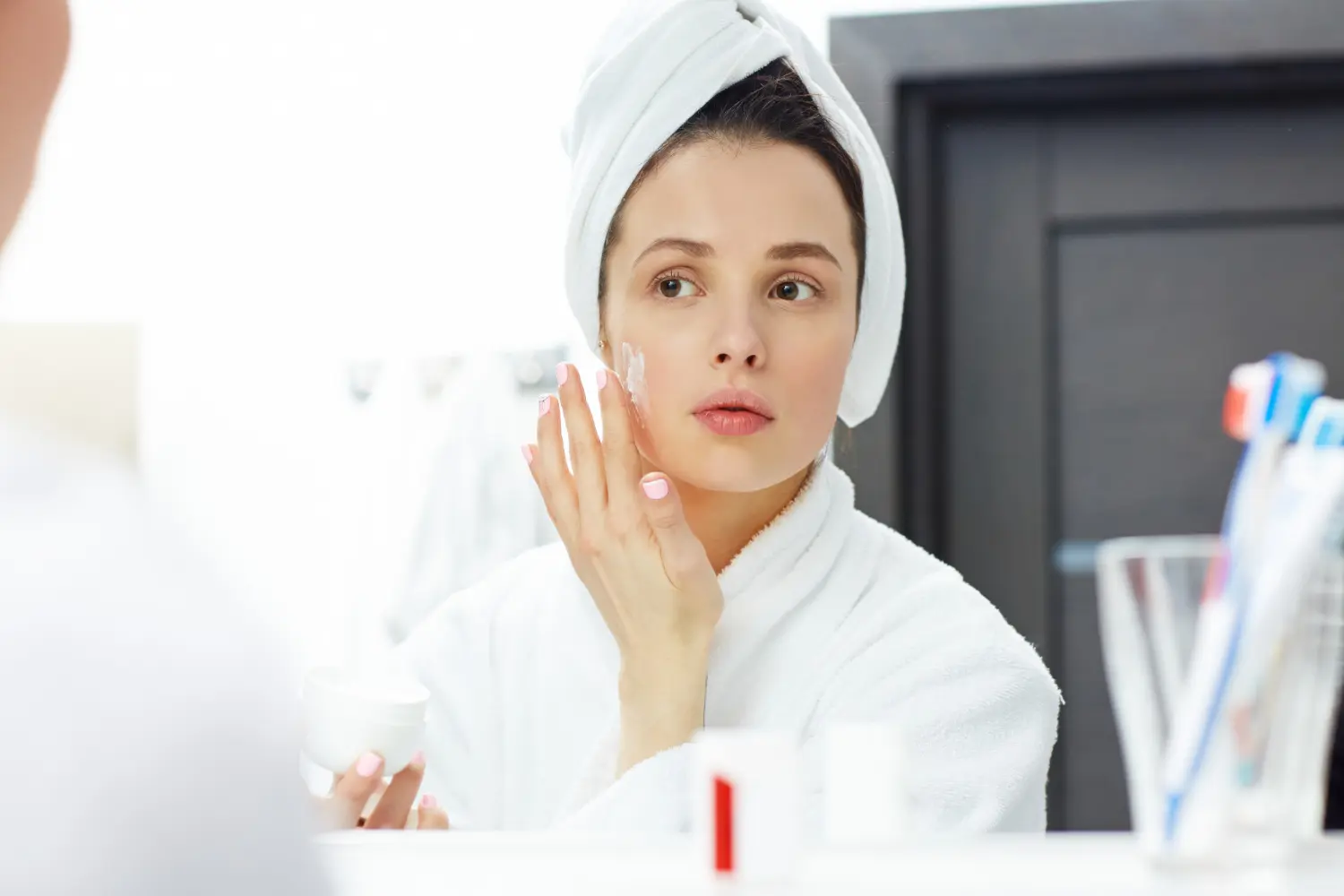
Before any procedure, two simple steps make a real difference.
Talk With Your Primary Doctor About Symptoms
Menopause itself is a medical conversation. Your primary care doctor or gynecologist can help with symptoms and discuss options like hormone therapy. A facial plastic surgeon addresses what you see in the mirror. The two roles work side by side.
Protect and Support Your Skin
Daily sunscreen matters more than any product you can buy. Add a gentle routine built around medical-grade skincare. Keep it consistent. Skip anything harsh while your skin is more sensitive.
Non-Surgical Options for Early Changes
If changes are mild to moderate, non-surgical options can refresh your look with little or no downtime.
Fillers and Botox
Fillers like Restylane, Juvederm, and Radiesse restore lost volume in the cheeks and along the jaw. Botox and Dysport soften lines caused by expression. Used with restraint, they keep your face looking like yours.
Skin Tightening and Resurfacing
Forma and FaceTite use radiofrequency energy to tighten skin and stimulate collagen. Fractora refines texture and supports firmer skin. These options suit women whose skin has lost bounce but who are not ready for surgery.
Surgical Options When Changes Go Deeper
Sometimes the structure of the face has shifted beyond what non-surgical options can reach. That is when surgery makes sense.
Eyelid Surgery for a Rested Look
Eyelid surgery removes excess skin and fat that make eyes look heavy or tired. Recovery is relatively short, and the change is subtle. Our post on eyelid surgery after 40 explains what to expect.
Mini Facelift and Facelift
A mini facelift lifts the lower face with smaller incisions and a shorter recovery. A full facelift repositions deeper tissue across the face and neck. Dr. Chadwell recommends one or the other based on your anatomy, not your age.
Does Menopause Affect Surgery Timing?
Menopause does not rule surgery out. You do not need to wait for symptoms to settle either.
What matters is your overall health. At your consultation, Dr. Chadwell reviews your medical history and medications, including any hormone therapy. That review helps him plan safely and set realistic expectations.
Frequently Asked Questions
Does menopause really change your face?
Yes. Falling estrogen can make skin thinner and drier, and facial volume and support shift over time. The pace varies from woman to woman.
Can a facelift fix menopause-related sagging?
A facelift corrects sagging tissue and loose skin. It does not treat menopause itself, but it can restore a more rested and defined look.
What helps menopausal skin without surgery?
Daily sunscreen and a consistent gentle routine come first. Fillers, Botox, skin tightening, and resurfacing can help further, depending on your goals.
Is perimenopause too early to act?
Not necessarily. Some women notice changes in their early to mid 40s. Starting with simple, low-commitment options is a reasonable first step.
When should I see a facial plastic surgeon about these changes?
Whenever they start to bother you. There is no required age or stage. A consultation gives you clear options and a plan that fits your timeline.
A Plan That Fits Where You Are
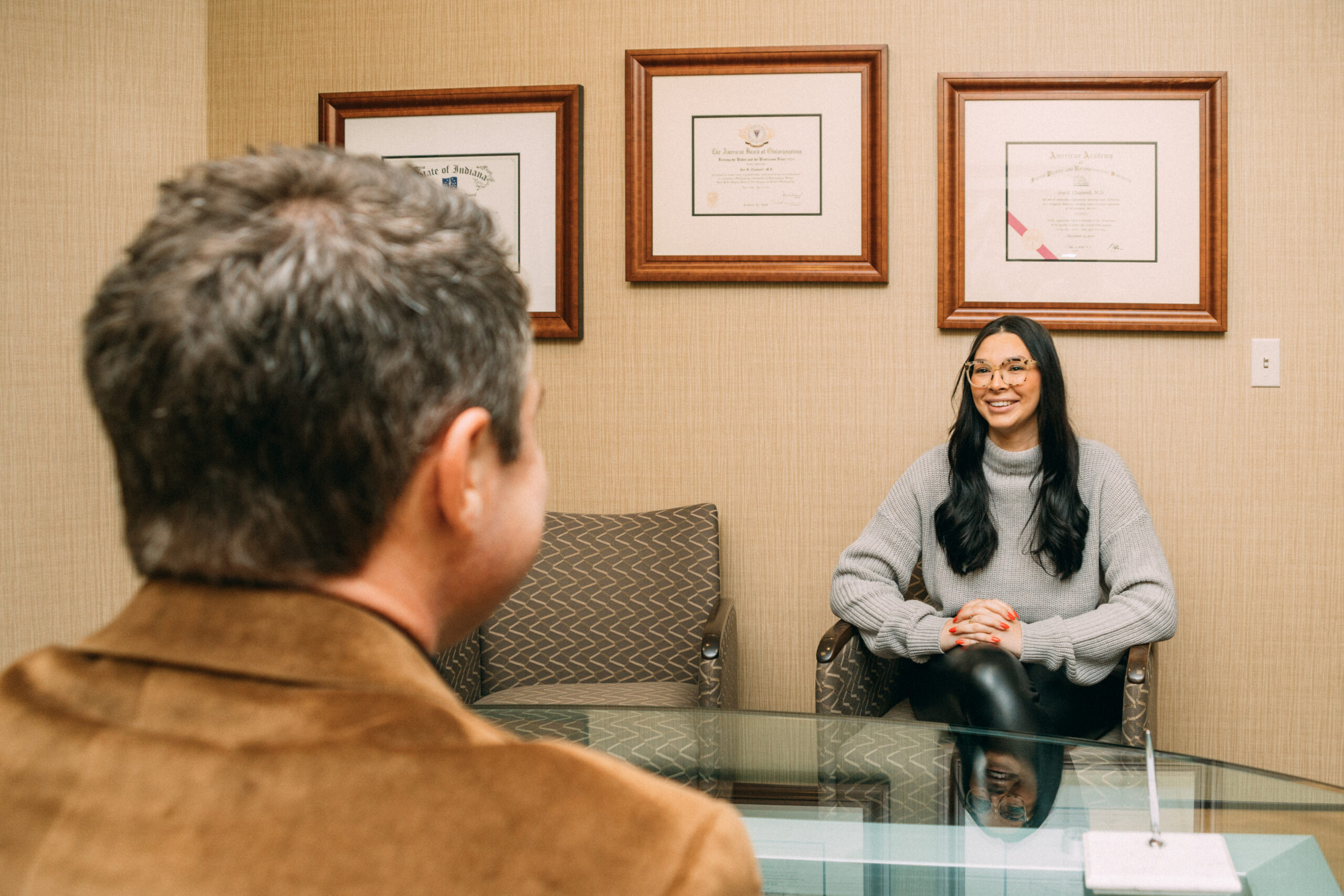
Dr. Jon Chadwell is board certified by the American Board of Facial Plastic and Reconstructive Surgery and the American Board of Otolaryngology Head and Neck Surgery. He completed an accredited fellowship through the American Academy of Facial Plastic Surgery. His practice focuses only on the face and neck.
Some women leave their consultation with a skincare plan and a filler schedule. Others start planning eyelid surgery or a mini facelift. Many are told to wait. Dr. Chadwell gives each woman the recommendation that fits her face, not a standard package.
Women from Mishawaka, South Bend, Elkhart, Granger, and across northern Indiana come in for that kind of clarity. See what real results look like in the before and after gallery. Then contact Chadwell Facial Plastic Surgery to book a consultation. Call (574) 280-4818 or use the online form, Monday through Friday, 8 AM to 5 PM.